The Bank of England raised Bank Rate by 0.25 percentage points to 4% in November 2026, and it did so mainly because of energy prices. This article sets out what the Bank said, how an energy shock turns into an interest-rate decision and what is still uncertain.
What did the Bank of England decide in November 2026?
According to the Bank of England, the Monetary Policy Committee (MPC) voted at its meeting ending 4 November 2026 to lift Bank Rate from 3.75% to 4%. The decision was published on 5 November. The vote was 8–1: eight members backed a 0.25-point rise, while one member, Catherine Mann, voted for a larger 0.5-point rise to 4.25%.
The Bank’s stated aim is to return inflation to, or keep it at, the 2% target over time. The next decision is due on 17 December 2026, according to the Bank.
Why did energy prices drive the decision?
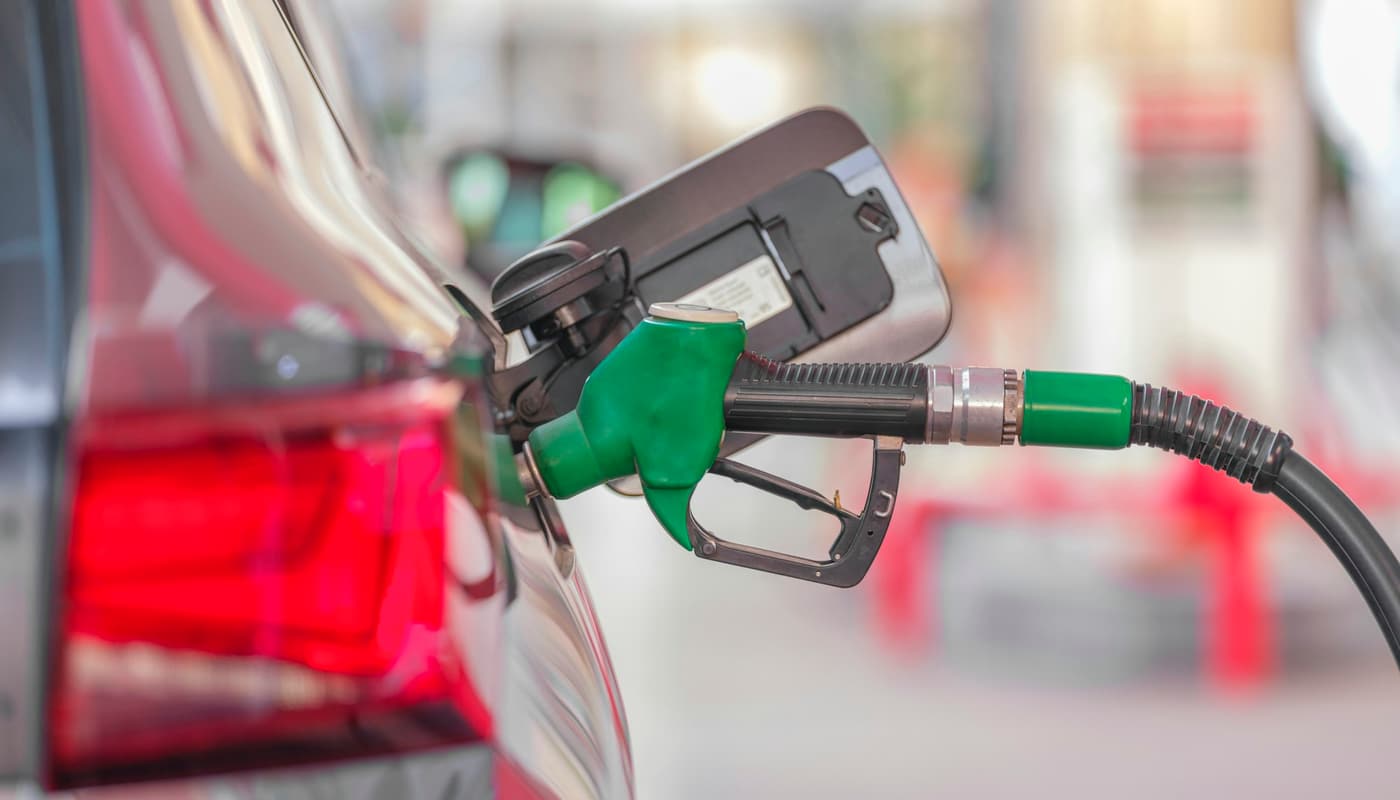
The Bank says energy prices have stayed high and volatile because of conflict in the Middle East, which has disrupted energy transport and supply. In its November summary it reports that, over the 15 UK working days ending 27 October, Brent crude futures averaged $108 per barrel and UK natural gas futures averaged 216 pence per therm. Those levels were 38% and 81% higher respectively than when the Bank published its July Monetary Policy Report.
Energy matters for inflation in two stages. The first is direct: fuel and household energy bills show up in the price index straight away. The Bank estimates that direct energy effects contributed around 1 percentage point of the September CPI rate. The second stage is indirect, and it is the one central banks worry about most.
How does an energy shock spread into other prices?
Energy is an input to almost everything: transport, food production, manufacturing and services. When firms face higher costs, some pass them on. Workers who see their cost of living rise may seek bigger pay rises, and firms that pay more may raise prices again. Economists call these “second-round effects”.
The Bank says there is so far little evidence of significant effects on other prices and wages, but expects them to “eventually kick in” if energy costs stay high for long. It also notes that activity has been more resilient than expected, which in its assessment adds to the risk that energy costs feed through to broader prices. That combination is why it chose to act now rather than wait.
What do the inflation figures show?
The numbers the Bank cited point in one direction. According to its Monetary Policy Report, CPI inflation was 3.5% in September 2026, up from 2.6% in June. The Office for National Statistics (ONS) then reported, in its release of 18 November 2026, that CPI was 3.6% in the 12 months to October 2026, up from 3.5% in September. Monthly prices rose 0.5% in October, against 0.4% in October 2025.
The ONS says transport made the largest upward contribution to the change in the annual rate. It also reports that VAT on domestic electricity fell from 5% to 0% from 1 October 2026, which helped pull electricity prices down 0.8% over the year, while gas prices rose 6.3% following a change to the Ofgem price cap. The mix shows why a single headline number hides several moving parts, a point covered in what inflation figures really tell us.
| Measure | Figure | Source |
|---|---|---|
| Bank Rate (from 5 November 2026) | 4% | Bank of England |
| CPI, June 2026 | 2.6% | Bank of England |
| CPI, September 2026 | 3.5% | Bank of England |
| CPI, October 2026 | 3.6% | ONS |
| Bank staff expectation, 2027 Q2 | around 5% | Bank of England |
Why is the Bank expecting inflation to rise further?
In its November summary, the Bank says staff expect CPI inflation to reach about 4½% in the first quarter of 2027 and about 5% in the second quarter. The report then shows inflation falling back toward the 2% target after that peak.
That rise would come partly from the way energy costs work through the system and partly from the lag between wholesale prices and what households pay. Energy price caps, fuel pump prices and business contracts all adjust with delays. The Bank also points out that diesel pump prices are about 40% higher, and petrol about 30% higher, than before the Middle East conflict began.
Does a rate rise actually fix an energy-driven price rise?
Not directly. Higher Bank Rate does nothing to lower the world price of gas or oil. What it can do is reduce the chance that a one-off price jump becomes lasting inflation.
By raising borrowing costs, the MPC aims to cool demand a little, so firms find it harder to pass on costs and workers have less bargaining power to chase prices. The cost is that households and businesses with variable-rate or newly fixed borrowing face higher payments. The mechanics are explained in how Bank of England decisions ripple through the economy, and the market side is covered in how markets read a Bank Rate decision.
The trade-off is a genuine one. If the Bank tightens too little, high inflation may become embedded. If it tightens too much, it may weigh on growth and jobs for a shock it cannot control.
What does it mean for pay and living standards?
Pay is the link that policymakers watch most closely. According to the minutes, one MPC member, Megan Greene, described underlying wage growth as “stuck around 3.5%”, which she saw as above levels consistent with the target. Another, Dave Ramsden, said labour market slack was “levelling off”.
Here is a worked example using illustrative figures, not forecasts. Suppose weekly pay of £600 rises 3.5% over a year, and prices rise 5%:
- New pay: £600 × 1.035 = £621.
- The same basket that cost £600 now costs £600 × 1.05 = £630.
- Real change: £621 ÷ £630 = 0.9857, or roughly a 1.4% fall in purchasing power.
In that scenario a £21 weekly pay rise would still leave a worker £9 a week behind prices. Real pay was still positive in the latest official data, as set out in what UK pay growth really buys, but a rise in inflation toward 5% would test that cushion.
What could change the outlook?
The Bank’s report sets out two broad alternative scenarios rather than a single path.
- Adverse inflation scenario: energy prices rise sharply again and stay elevated, producing much stronger second-round effects. In this case policy would be materially tighter than in the central projection.
- Weaker demand scenario: the recent resilience in activity fades, so second-round effects do not emerge. Policy would be similar in the near term but looser later in the forecast.
The Governor, Andrew Bailey, said the increase “shouldn’t be seen as the first in an inevitable long sequence of hikes”, but that further increases are possible unless the Middle East conflict is resolved, according to the Bank. In other words, the path of Bank Rate depends heavily on events outside the committee’s control.
The Bank also says its illustrative policy path is broadly similar to the market curve in the near term but somewhat lower after that. Readers should treat any such path as a conditional projection, not a promise.
Reading the decision in context
The November rise reflects a specific judgement: energy-driven inflation is rising, activity is holding up and the risk of broader price pressure justified acting early. The 8–1 vote shows the committee leaned towards caution, with one member wanting to go further. The December meeting will show whether new data support that view or change it.
For readers, the useful habit is to separate the energy price itself, which the Bank cannot change, from the inflation expectations and pay settlements that it can influence. Watching those, alongside official CPI and earnings releases, gives a clearer picture than any single headline.
This article provides general information, not personalised financial advice. Rules, rates and statistics change.
Sources: Bank of England; Office for National Statistics